BHOOMI HABBA 2026 : Healing Our Fractured Relationship with the Earth

Key Highlights

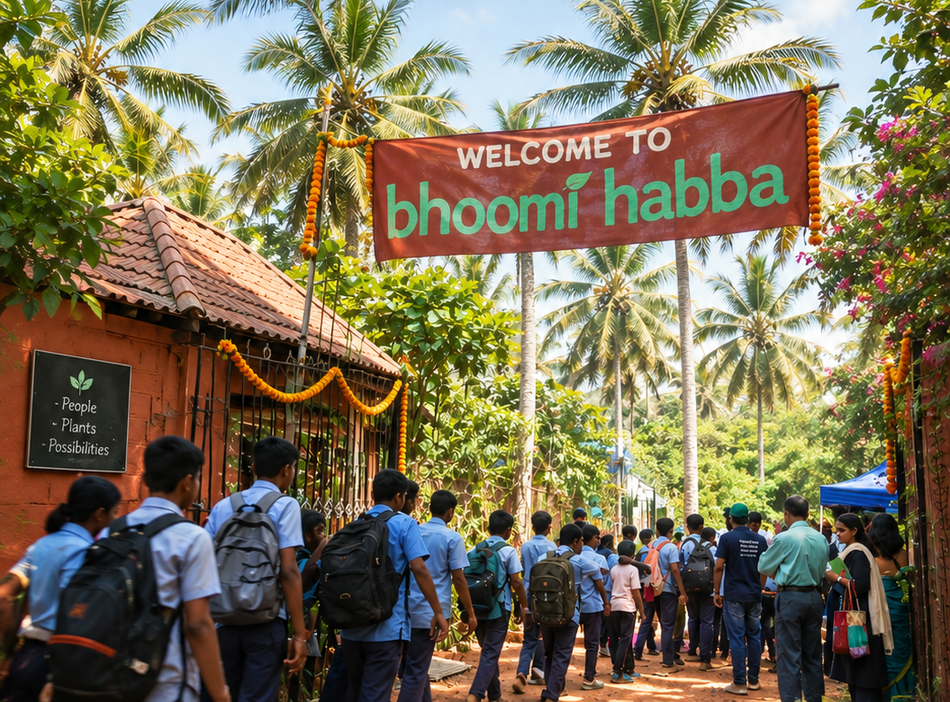
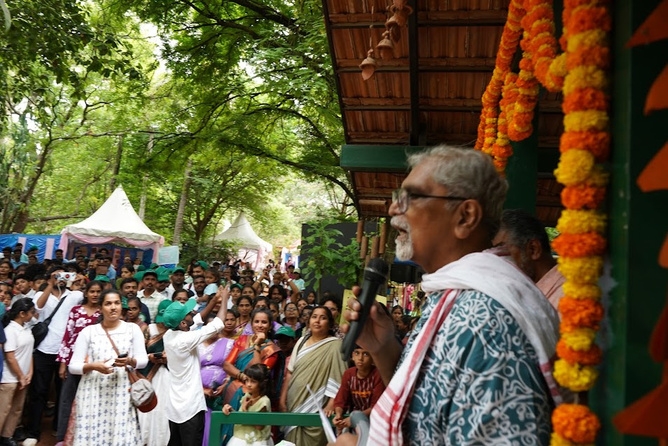
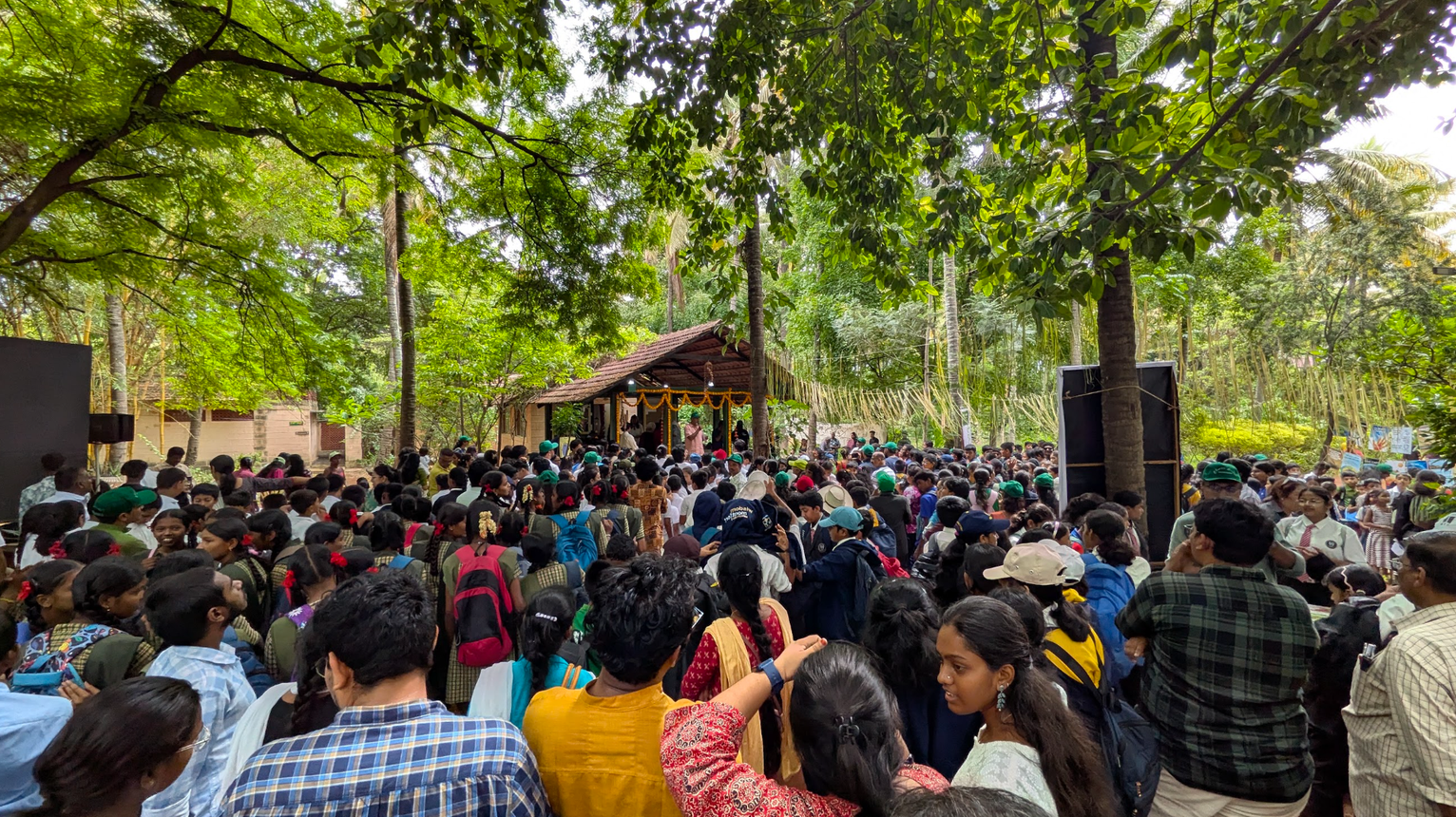
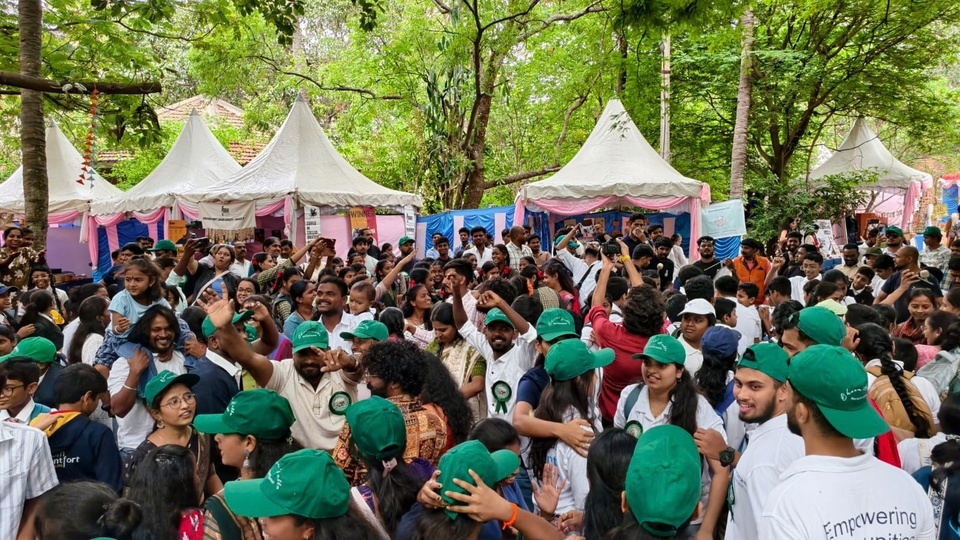
“Bhoomi Habba, Namma Habba!”—The Earth Festival, Our Festival. On Saturday, June 6, 2026, this powerful chant echoed through our lush campus, carried by the voices of hundreds of children who gathered to reclaim their future. In a city like Bengaluru, where concrete often outpaces the canopy and urbanization brings harsher summers, this wasn’t just a slogan; it was a loud, radical counter-movement.

Grounded in the theme, “Restore, Reclaim – Community Paths to Climate Action,” the 18th edition of Bhoomi Habba proved that tackling the climate crisis isn’t just for elite global summits or dense policy data—it’s alive in the art, memory, community, and shared passion of a younger generation.

Over the last 18 years, organizing this Earth Festival has taught us that climate care is no longer just a personal lifestyle choice; it is a shared public responsibility. Meaningful environmental action does not come from grand institutional plans, but from the practical, everyday choices made by local communities.

When we ground our efforts in daily life, we see that true sustainability is about restoring our fractured relationship with the land and reclaiming our collective responsibility. One of the greatest lessons from Bhoomi Habba is that change happens when ordinary people take control of their immediate surroundings to restore what has been lost. This looks like a farmer saving native seeds to restore soil health, women reviving handloom traditions, or neighbors working together to reclaim public spaces through local waste management. These practical actions last because the people doing the work are the ones directly affected by the results.

FROM SHANTI HABBA TO BHOOMI HABBA

The festival we see today has deep, evolving roots.

When we began this journey back in 2008, the event was called the “Festival of JustPeace”— an intimate, smaller gathering tied to an international School of Peace. However, as the years rolled on, our team at Visthar came to a profound realization: you cannot separate human justice from eco-justice. Environmental degradation isn’t an isolated technical issue; it touches everything we do—our livelihoods, our food, our water, and our traditions. For us, the festival has become a way to use the power of theatre, poetry, storytelling, games, and movement to transform personal stories into collective calls for climate action.

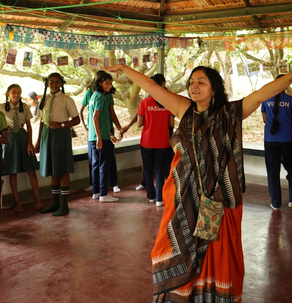
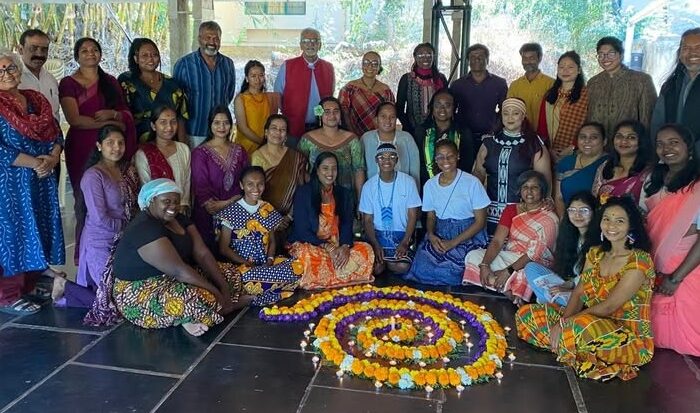
Dances of Universal Peace

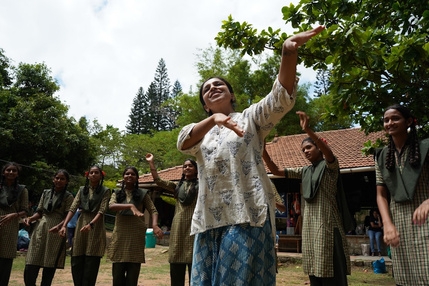
Blending meditation, movement, and collective participation, the Dances of Universal Peace engaged audience into an experience of unity, joy, reflection, and belonging.

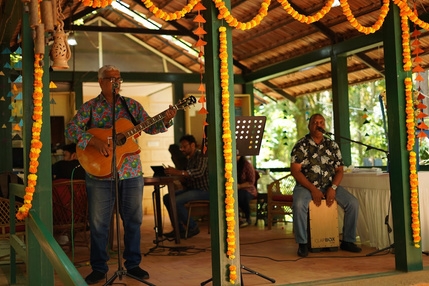
My Earth Songs

Dominic D’Cruz and Team. Engaging with themes of earth care, sustainability, & global responsibility through music.

Somatic Movement

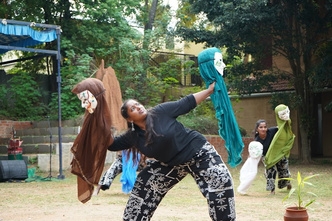
Megha Malhar : A powerful somatic live movement performance that explores the deep connections between the human body and the living Earth.

Moving Hearts When Data Fails

We have learned that heavy data, academic research, and complex lectures often make environmental issues feel distant, causing people to tune out or feel helpless. When numbers and statistics cause climate fatigue, culture steps in to heal and ground us. Instead of academic abstraction, using music, art, theatre, and traditional food bring the conversation down to earth. A folk song about rain or a traditional recipe can show the reality of water scarcity and shifting weather patterns far more clearly and personally than a formal presentation ever could.

The festival’s performances and programs offered this powerful counter-narrative by grounding environmental justice in music, movement, and community traditions. Visitors gathered under the natural shade canopy to experience a diverse array of acoustic and rhythmic truths. The soulful, timeless poetry of Kabir Das was beautifully presented by Parvathi Narippatta and Ajay Srinidhi, which paired dynamically with the high-energy, electrifying rhythms of Balu Djembe and his folk band. The raw, energetic pulse of rural Karnataka resonated deeply through the campus with Thippeswamy and Team’s live folk music and traditional Tamate rhythms, while Dominic D’Cruz and team brought the crowd together with a live, sing along performance of My Earth Songs, translating the UN’s Sustainable Development Goals into accessible music for children.

Playback Theatre

Mansee Shah: Theatre Jam on climate change and sustainability — a space to play and explore stories of climate and connection.

Indian Folk Band

Balu Djembe: No Habba without Jambe! Audience swept off their feet by the electrifying beat of Balu Jambe and his team from the Indian Folk Band.

Voices for the Earth

Theatre performances by Mariyamma Chudi and team reminding us that we are cocreators with nature, not its masters.

Somatic truths and on-ground theatre further transformed these concepts into physical expressions. At the Amphitheatre, Megha Malhar presented Breathing Roots, a striking percussion and somatic movement performance that visualized forest degradation directly through the human body. The campus also hosted Kanasu Kishori Sanghatane’s grounded folk dances reflecting themes of equity, Mallesha’s poignant tree-centric play, and Mariyamma Chudi’s moving performance asserting humanity’s role as co-creators with nature. Interactive performance spaces, such as Mansee Shah’s Playback.

Theatre Jam and Ravi Ramaswamy’s movement-based exploration, invited participants to physically map the journey from climate inaction to shared hope. A deep environmental connection was further fostered through intimate, guided sensory journeys, including a structured Treewalk curated by Janet Orlene and Arun Kumar, a targeted campus biodiversity walk led by David Selvaraj, and the reflective Treevellers’ Katte gathering held under the shade of the jackfruit tree.

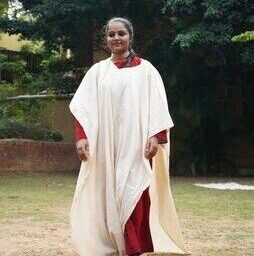
Trevellers’ Katte

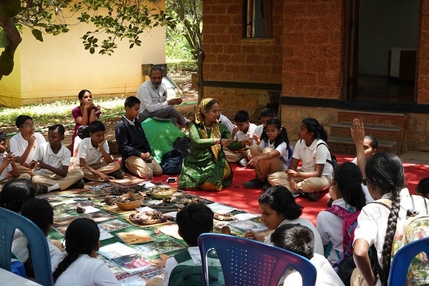
The Treevellers’ Katte, facilitated by Charumathi Supraja, enabled both children and adults to listen and share memories and rediscover their deep connections with trees.

Nature Walk

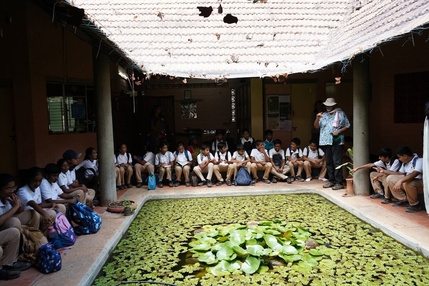
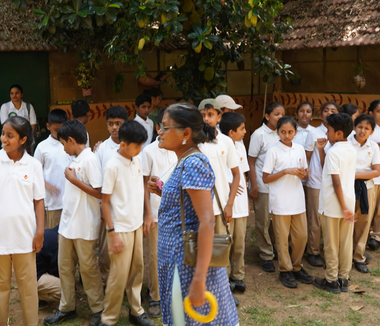
Led by David Selvaraj, an immersive journey with children exploring the vibrant biodiversity and regenerative systems of the campus.

Cartooning

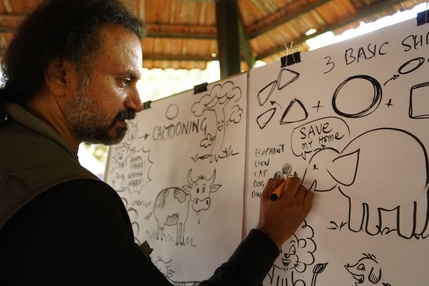
This interactive workshop by Dinesh Francis empowered participants to express social and environmental concerns through the powerful medium of cartooning.

Educational Anchors: Soil, Cinema, and Literature

Dedicated exhibition spaces and film screenings throughout the campus provided critical educational anchors, offering visitors space to pause and engage deeply with literature, soil health, and visual documentation. At the Manthana Hall, filmmaker Amudhan R.P. curated a continuous documentary festival closely examining the critical intersections of ecology and human justice. In quieter, more intimate spaces, Ramya Iyer brought a gentle performative storytelling piece for children that explored empathy and acknowledging differences.

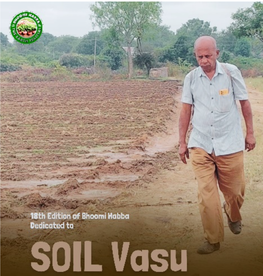
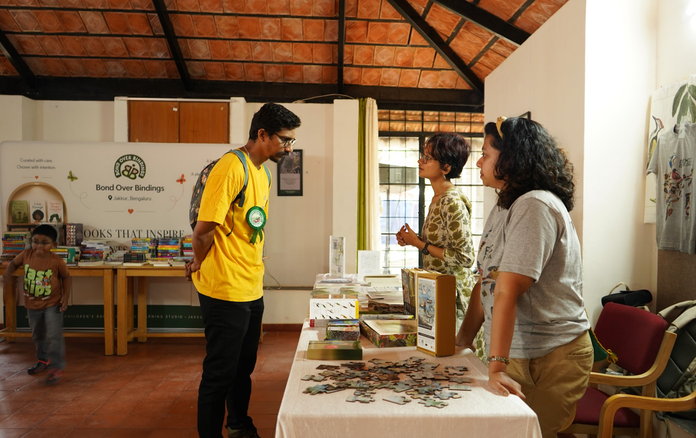
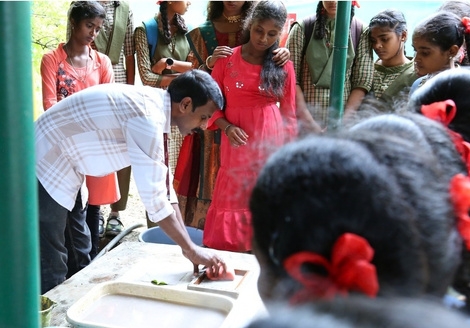
A foundational element of the educational programming was the Soil Exhibition hosted by Sustainable Organic Initiatives for Livelihood. This interactive exhibit was established by the late SOIL Vasu, to whom this entire 18th edition of Bhoomi Habba was formally dedicated. It directly invited visitors of all ages to physically touch, observe, and connect with the microscopic universe thriving beneath our feet. Alongside this sensory experience, literature enthusiasts explored a curated book exhibition and sale organized by the Nature Conservation Foundation, Parag, and Bond Over Bindings, which sat parallel to a visual display of climate-focused posters by Visthar.

Soil Exhibition

Sustainable Organic Initiatives for Livelihood (SOIL),established by the late Soil Vasu. The exhibition invited visitors of all ages to connect with the microscopic universe thriving beneath our feet.

Dedication

Bhoomi Habba 2026 was dedicated to Soil Vasu who dedicated his life to promoting regenerative agriculture, soil health, and organic farming among farmers and communities.

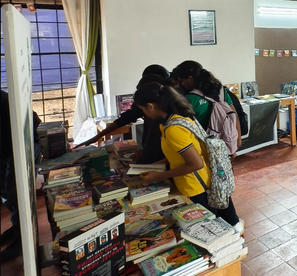
Book Exhibition

By Nature Conservation Foundation (NCF), Parag -An Initiative of Tata Trusts, & Bond Over Bindings.

Getting Your Hands Dirty: Immersive Workshops

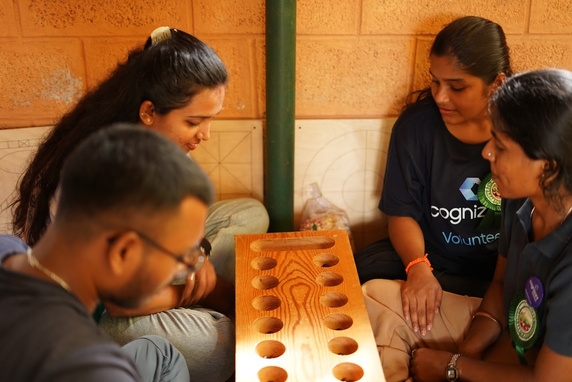
Bhoomi Habba remains fiercely participative, replacing passive viewing with tactile, intergenerational experiences where individuals of all ages can connect and channel environmental reflections into tangible forms. In a joyful antidote to isolated screen time, Imma Recreation took over our Srujana space with over 150 ancient, forgotten games like pallankuzhi, chowkhabara, lattu (tops), and gilli, proving that community resilience can be built through play. To tackle macro problems through micro-habits, the ClimActive Initiative ran hands-on waste management workshops, taking intimidating climate anxieties and distilling them into practical, daily household habits.

Creative expression and craftsmanship hummed across every corner of the campus. Visitors engaged in coconut shell painting with Deepika, pottery with Lokesh, and handmade papermaking at our Srujana Paper Unit. Santhosha M.N. utilized specialized educational theater approaches to explore ways of reducing our collective burden on nature. For those drawn to visual advocacy, Dinesh Francis led an interactive cartooning session focusing on social and environmental commentary, while Shruti Anand demonstrated how to transform everyday newsprint into expressive art through simple newspaper doodling techniques. Carlin Rebecca curated a large, collaborative community painting canvas where adults and children alike visually shared their unique visions for a restored planet.

RED Media

Saleela Kappan of RED Media, whose strategic media coordination played an instrumental role in the event’s public success.

Traditional Games

Ima Recreation participated with their 150+ games in different genre like alignment strategy games, Hunting strategy games, Race and dice games, etc.

Exhibitions

A rich collection of resources by Nature Conservation Foundation. Fun puzzles, games & story books for that bring children closer to the natural world.

The Organic & Artisanal Hub : Reclaiming the Plate & Market

The festival’s marketplace acted as an Organic and Artisanal Hub, hosting over ninety ecostalls and taking an uncompromising stance against corporate greenwashing. Vetted thoroughly by our team to ensure fair working conditions, sustainable raw materials, and genuine support for local livelihoods, the marketplace spanned several distinct zones on the campus. The primary retail activity was concentrated in the CRC Courtyard and Aala Zone, which bustled with raw, organic farm staples, heirloom millets, naturally dyed handlooms, and upcycled clothing collectives. Live art was seamlessly integrated into the market space through Rasheed Kappan’s Kappansky stall, where visitors could watch art come alive through quick sketches, caricatures, and unique illustrations.

Bhoomi Habba has consistently shown us that we cannot buy our way out of environmental problems. You cannot talk about Earth wisdom without talking about food, and the dedicated food court functioned as a true masterclass in climate survival. Traditional, water efficient South Indian food systems brought by groups like the Timbaktu Collective, Bandhavi, and TummyTemple served as practical blueprints for a changing world. These millet cultures originally succeeded because they used very little water and relied entirely on variety and restraint rather than endless consumption. Because millets require a fraction of the water that rice demands and can easily withstand erratic weather, gathering to share authentic Ragi Mudde, Natu Kodi Chicken, or gut friendly traditional dishes reminded everyone that eating locally and seasonally is a profound act of resistance against an endless cycle of consumption.
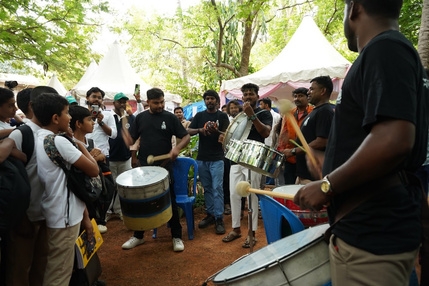
Echoes of the Soil

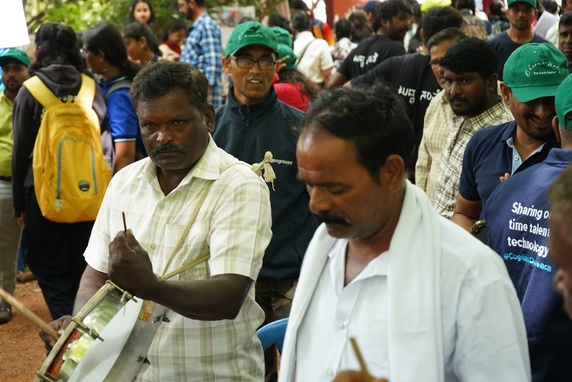
Thippeswamy & Team: Raw, energetic rhythms of rural Karnataka. A powerful showcase of live folk music and Tamate, capturing the true spirit of community.

Community Painting

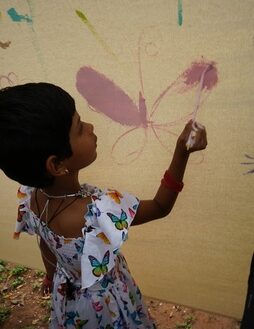
Guided by artist Carlin Rebecca, the community painting session provided a vibrant, collaborative space where people of all ages came together to express their connection to nature on canvas.

Recycled Papermaking

The hands-on recycled papermaking workshop held at Srujana offered a creative and sustainable way to engage with waste reduction and material reuse. Eco-friendly alternatives for everyday crafting and conscious living.

Defeating Greenwashing with Stubborn Hope

Today, we are flooded with commercial products claiming to be green, but real change requires us to look past clever marketing. Defeating greenwashing means asking honest, hard questions about where our goods come from, who made the product, and whether the work actually supports local livelihoods. Ultimately, to truly reclaim our future, the goal must be to buy less, repair what we have, cut down on excess, and lean heavily on community solidarity.
We need to stop treating environmental care as an exclusive club for experts.

True hope does not mean sitting back and wishing for a better future. Hope is instead found in the stubborn willingness of communities to keep acting with care and persistence, despite the uncertainty. When we welcome climate action into our food, our art, and our shared public spaces, we successfully restore the planet. By bringing farmers, artists, activists, and urban citizens together under a shared canopy, Bhoomi Habba proved that restoring the planet is entirely possible—if we choose to reclaim collective action in our everyday lives.

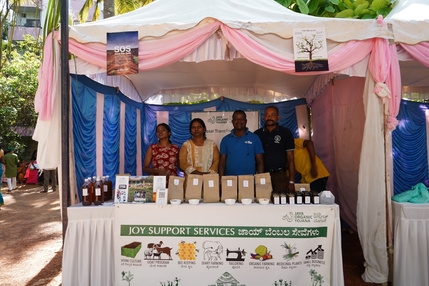
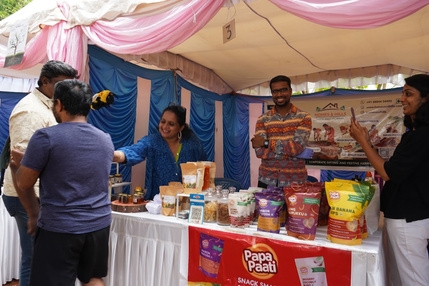
The Organic Hub

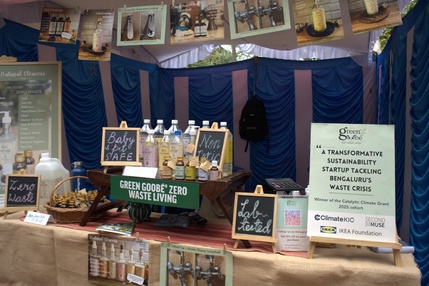
90+ Eco stalls with fresh organic produce, handcrafted eco-crafts, and khadi and handloom weaves, traditional & milletbased foods from the southern states.

Brands Represented

Green Koebe, Timbaktu Organics and Weaves, Desi, Green Kraft, Elements Fair Organic, Black Baza, The Preloved Co. Theju;s Hues, Amala- the pure food store, Sabala Handicrafts and many more.

Product Highlights

Naturally dyed handlooms, pure khadi apparel, upcycled garments, and zero-waste daily use items. Srujana Recycled, DIY block-printing, and earth friendly traditional crafts, millets and chemical-free foods.

BHOOMI HABBA

A Multi-art Eco Festival

4,000+

Total Reach


Including 800 School children from 10 different private and government Schools.

90+

Organic & Artisanal Stalls


From Karnataka, Andhra Pradesh, Tamil Nadu and Kerala .

25+

Events & Performances


Indian folk bands, theatre, storytelling, poetry sessions, workshops on zero-waste living and indigenous food traditions, environmental film festival and many more.